Movies with Ghost in the Title

People are both scared and intrigued by ghosts.  Suffice it to say ghosts are very popular with the general public.  They are frightening, yet they allow belief in the afterlife. The idea of ghosts has been around since time immemorial. 

The belief in manifestations of the spirits of the dead is widespread, dating back to animism or ancestor worship in pre-literate cultures. Certain religious practices—funeral rites, exorcisms, and some practices of spiritualism and ritual magic—are specifically designed to rest the spirits of the dead. Ghosts are generally described as solitary essences that haunt particular locations, objects, or people they were associated with in life, though stories of phantom armies, ghost trains, phantom ships, and even ghost animals have also been recounted.

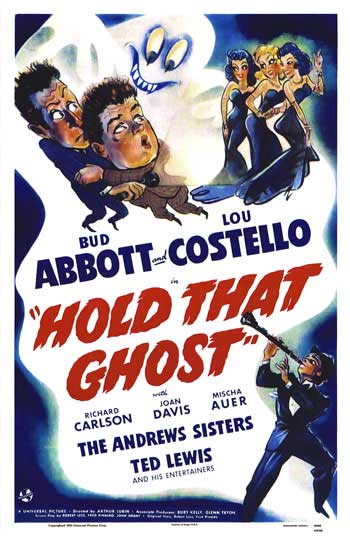
With the advent of film the ghost story had a new platform that made the popular genre more accessible. There are many ghost movies. Below are a few, many others are out there.


ghostx

ghostx1

ghostx2

ghostx3


ghostx7

ghostx8


ghostx11

ghostx12a

ghostx14

ghost15a

ghostx14a.

ghostx15

ghostx17

ghostx1a


ghostx18a

Stanley Kubrick directing ‘Dr. Strangelove’

doc


It wasn’t just the nuclear fallout in the milk that concerned most people during the late 1950s and early 1960s, there was a genuine fear that the world was on the verge of an all-out nuclear war between Russia and America that would end life on the planet or make it rather awful for the few survivors. These anxieties were heightened by the Cuban Missile Crisis of 1962 and were reflected in a series of novels, films, and TV dramas that predicted humanity’s seemingly inevitable nuclear annihilation at the push of a button.

When Stanley Kubrick optioned Peter George’s book Red Alert (aka Two Hours to Doom), he intended to make a faithful film adaptation of the George’s chilling tale of near nuclear armageddon. But as he researched the subject and began work on a script with the author, Kubrick found the proposition of nuclear war utterly absurd and decided to make not a thriller but “a nightmare comedy” that satirized the insanity of two countries arming themselves with such horrific weapons of mass destruction.

Kubrick considered telling the story of Earth’s nuclear demise from the point of view of visiting extraterrestrials, but didn’t think this approach had the right amount of “inspired lunacy.” He then decided to bring in author Terry Southern to write a story using George’s novel as a loose framework to play up the comedy rather than the thrills. The result was Doctor Strangelove or: How I Learned to Stop Worrying and Love the Bomb—“the most perfectly written comedic screenplay of post-war cinema,” as critic Alexander Walker described it. Dr. Strangelove was also the film that brought Kubrick’s unique visionary talents as a director to the fore.


doc1


doc2


doc5


doc6


Slim Picken’s character Major T.J. “King” Kong about to ride the bomb into Russian base.

doc7


Major Kong describing survival kit contents.